Published on 7/2/2026
The Power of Convergence: Why Multi-Service Apps Win in 2026
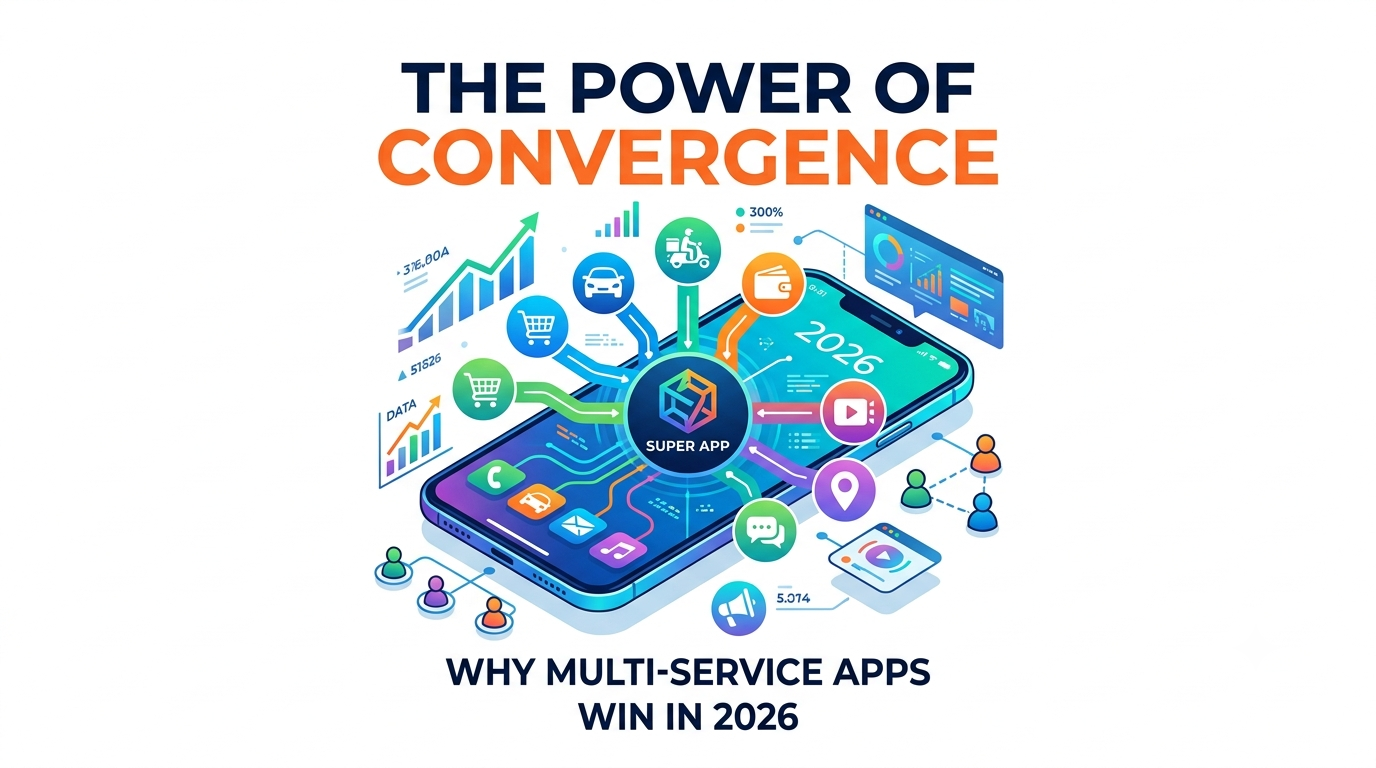
The era of the single-purpose mobile application is quietly fading. For years, the prevailing design philosophy was to "do one thing perfectly." However, as mobile ecosystems mature and users demand less digital clutter, the industry is shifting toward unified ecosystems—platforms that blend seemingly distinct services into a single, cohesive user experience. Consider the convergence of scheduling systems and career portals within a single sector. While traditionally treated as separate software products, bringing them under one digital roof solves a massive architectural and business challenge. 1. Eliminating Fragmented User Journeys Users no longer want to download five different apps to manage connected aspects of their lives or businesses. By building integrated platforms, tech companies offer a one-stop-shop. For instance, when a service platform also acts as a talent marketplace, it builds a massive, highly targeted user base. The audience interacting with the core service naturally becomes the pipeline for the recruitment network. 2. Shared Data and Contextual AI When functionalities are siloed, data is wasted. Integrated apps allow for powerful cross-utilization of data. A unified backend can leverage AI to understand user behavior patterns contextually—optimizing operations on the service side while simultaneously curating highly personalized recommendations on the professional or marketplace side. 3. Reduced Customer Acquisition Cost (CAC) From a business perspective, a multi-service model dramatically slashes marketing and retention costs. You acquire a user once through one service channel, and immediately introduce them to a secondary value proposition without spending an extra dollar on ads. This drives lifetime value (LTV) up and keeps churn rates down. The Takeaway: The future belongs to developers and companies that build bridges instead of islands. By consolidating complex workflows into clean, unified mobile experiences, we aren't just writing better code—we are building more sustainable digital economies.